Qipao portraits with cocoa-inspired makeup: coordinate makeup, hair, clothes, and light
Build a half-length portrait with softly arched brows, lifted eyeliner, rosy cheeks and lips, and a subtly patterned black qipao. Explore how styling, fabric, and soft window light work together, with complete prompts, selfie identity constraints, and targeted edits.
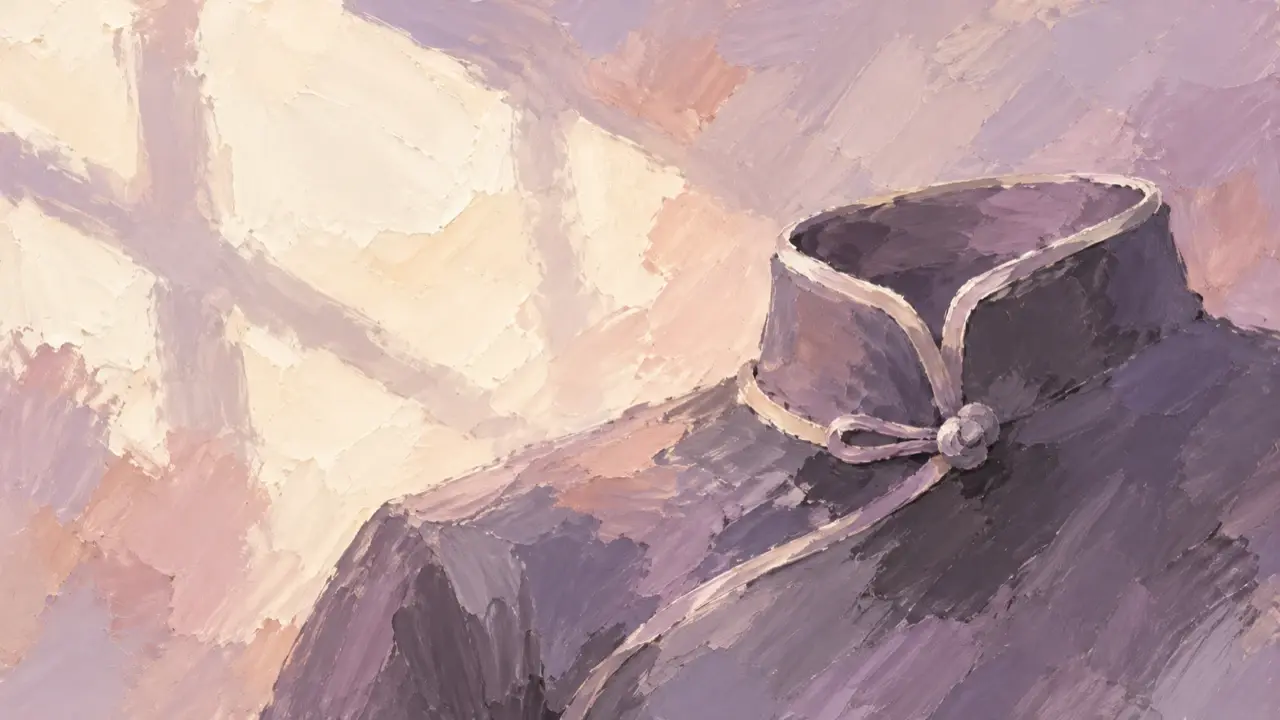
A qipao portrait with cocoa-inspired makeup starts with a specific combination: softly arched brows, elongated black eyeliner with a slight upward flick, light brown-pink eyeshadow, and rosy cheeks and lips. A side-parted updo, a black qipao with a subtle tonal pattern, and soft window light bring the look together. Planning the makeup, clothes, and lighting together gives your portrait a more complete look than changing the color tone alone.
Let the eyes draw attention first, then the fabric
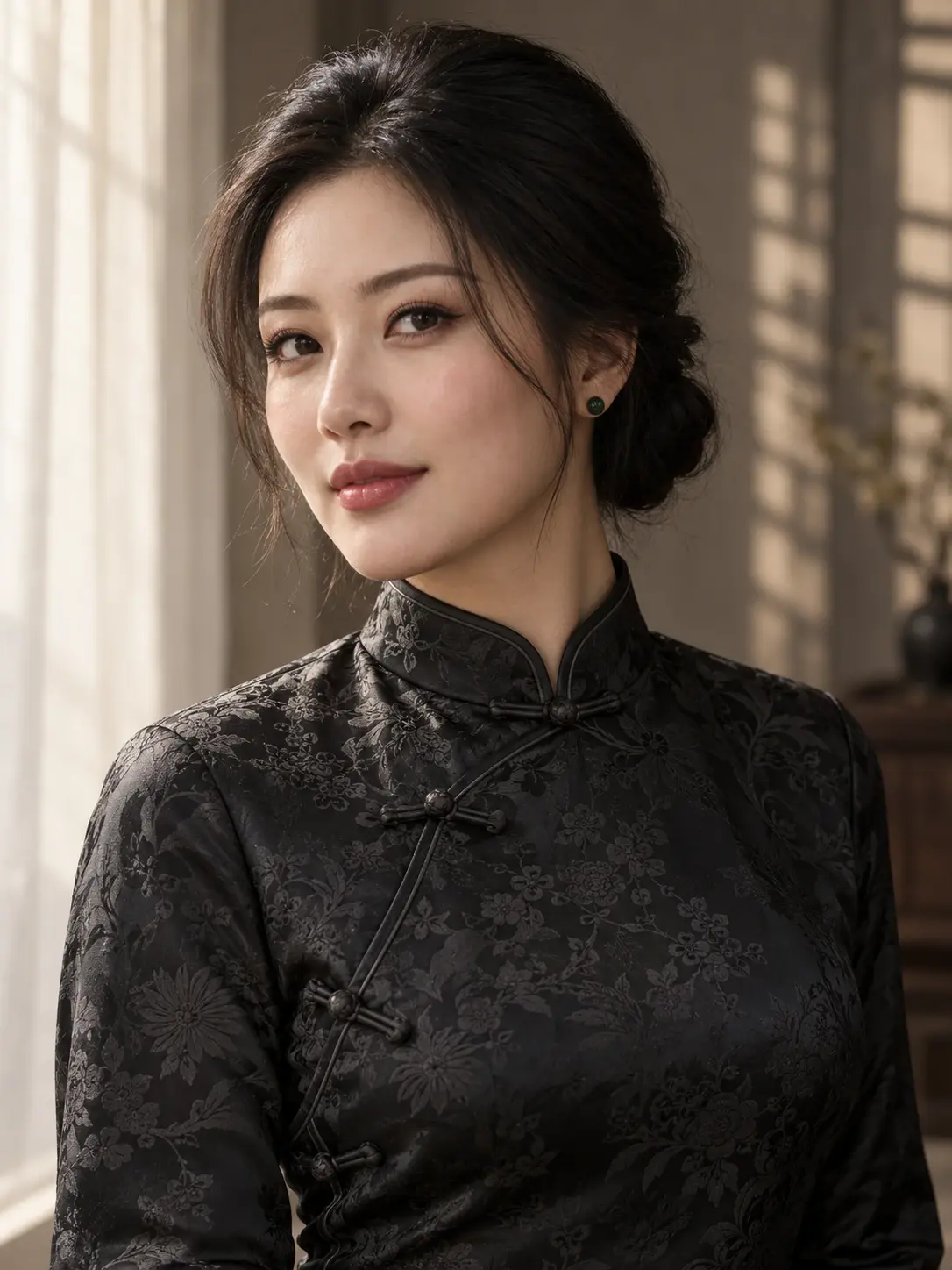
Give the brows a gentle arch, extend the eyeliner outward, and blend the eyeshadow lightly along the eye sockets. Keep a rosy tone on the cheeks and lips, with natural light and shadow on the skin. There’s no need to darken the whole face to brown.
Sweep the hair into a side-parted updo, leaving a few loose strands around the face and a clear separation between the neck and the standing collar. Use the black qipao’s collar, frog fastenings, and subtle pattern to convey texture. The fabric should be a little brighter where the light falls, with folds still visible in the shadows, so it doesn’t become a solid patch of black.
A half-length composition shows both the makeup and the neckline. Keep the background a soft gray-beige. Window light from the front and side gives the face dimension and leaves a little light on the dark fabric.
Put the makeup, hair, clothes, and light in one prompt
The example below is a half-length portrait of an adult woman. Establish a complete direction first, then adapt it to your own photo.
A half-length portrait of an adult woman wearing a qipao, vertical 3:4 format, framed from the waist up with the top of her head fully visible. She turns slightly to the side and looks naturally toward the camera.
Makeup: softly arched brows, elongated black eyeliner with a slight upward flick, light brown-pink eyeshadow, and soft rosy blush and lip color. Preserve natural skin color, skin texture, and facial light and shadow. No heavy skin smoothing and no brown filter over the whole photo.
Black hair in a side-parted updo, with a few soft loose strands beside the face. Keep the boundaries around the ears, neck, and collar clear.
A black qipao with a subtle tonal pattern, a distinct standing collar, frog fastenings, and visible fabric motifs. Keep the shoulder line and neckline natural. The fabric has a soft sheen and detail in the shadows. Do not add elaborate jeweled decorations.
A simple gray-beige interior background, with soft window light from the front and side. The face is bright without overexposure, and the black fabric remains distinct from the background. Refined portrait photography, with no text, frame, or watermark.
To use your own selfie, send a clear photo to the PagePop image editor along with the styling prompt above and the constraints below. Choose a natural angle with the hair and facial edges fully visible, and avoid heavy filters that obscure your features.
Use my uploaded selfie as the person reference. Preserve my facial features, face shape, eye spacing, nose shape, mouth shape, age characteristics, and natural skin color. Do not replace my face, slim my face, enlarge my eyes, or change my head-to-body proportions.
Only adjust the makeup, hairstyle, qipao, and background lighting as described above. Place the eyeliner and brow shape along my original eyes and brow bones, and preserve my expression. The person should remain directly recognizable when compared with the input photo.
If one detail needs fixing, keep the rest of the photo
First compare the face with your selfie, then zoom in on the eyeliner, hair strands, frog fastenings, and collar. If the eyeliner is too heavy, try “Shorten the wing and make the line thinner; keep the rest of the makeup and facial features unchanged.” If the clothes are too dark, ask only to “Restore detail in the subtle pattern and folds while preserving the qipao style and the direction of the light.”
Finally, look at the photo at a smaller size. If the eyes catch your attention first, the collar and fabric read clearly next, and the background doesn’t distract, the look has a clear visual hierarchy.